
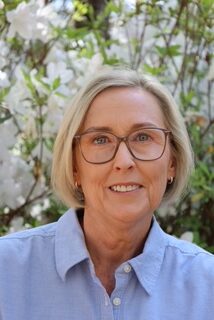
For 36 years, I dedicated my life to teaching young children. My days were full of energy, curiosity, and the joy that comes from helping students learn and grow. Outside of school, I was a wife, a mother, and someone who loved spending time with family and friends. Church, celebrations, and family gatherings were an important part of my life. I thrived on being active and present, especially when it meant playing with the children in our family.
Then, one ordinary morning at school changed everything.
The day had started like any other until I suddenly found myself running straight into a concrete block wall. I remember picking myself up off the floor, stunned, holding my bleeding head while searching for my glasses. Everything felt disorienting. I knew something wasn’t right, but I had no idea how my life was about to change.
At the emergency room, doctors performed a CT scan. I was given a bandage for my head because the swelling from the contusion was too severe to be stitched. I was sent home with an ice pack and instructions to take Tylenol for the pain. The doctor explained that my CT scan was clear and added, “You might have a concussion. Follow up with your primary physician tomorrow. ”
I went home with a baseball-sized hematoma on my forehead and very little guidance about what to do next, other than to continue icing the swelling.
The next morning, I called my primary physician and was told to rest for the remainder of the week. I was also told there was no need to come into theoffice. Eventually, I was diagnosed with post- concussion syndrome, and my care was transferred to a neurologist.
That was when my search for answers truly began.
I was experiencing symptoms that would soon affect every part of my life. I had continuous headaches, dizziness, sensitivity to noise and light, and what felt like constant sensory overload. I struggled with brain fog, loss of words, difficulty focusing, and memory problems.
Month after month, I was told the same thing: it would get better with time and that I should avoid pushing myself too hard. But waiting patiently for improvement was frustrating. I did not feel like myself anymore, and all I wanted was to feel normal again.
Simple outings became exhausting. Even small activities could trigger symptoms that lingered long after the event was over. I would often find myself wondering if attending a gathering or meeting friends for dinner was worth the exhaustion and headache I would feel the following day.
My life had changed. I went from spending full days actively teaching children, attending church, and enjoying social events to searching for anything that might help me regain the life I once had.
One of the most heartbreaking parts of this experience was realizing that I could no longer participate in conversations the way I once had. At restaurants or social gatherings, the noise and stimulation would become overwhelming. Instead of laughing and engaging, I often found myself quietly slipping away to the side, watching others interact while I struggled to keep up.
For someone who had spent decades communicating, teaching, and connecting with others, this loss felt especially painful. Slowly, with the help of professionals, I began the journey toward healing.
Physical therapy helped reduce my headaches and guided me through exercise at a pace that allowed my body to heal. Cognitive therapy became an essential part of my recovery as I worked to retrain my brain and rebuild skills that once came naturally.
For the past 14 months, I have been learning how to navigate what many survivors call the “new normal.” Recovery has required patience, persistence, and a willingness to celebrate even the smallest victories.
One of the most surprising parts of this journey has been discovering how little people understand about concussions and traumatic brain injuries. A person with a mild brain injury may look completely fine on the outside. Yet only the survivor truly knows what their brain and body are experiencing.
The headaches, fatigue, sensory overload, and cognitive challenges are real—even when they cannot be seen.
I quickly learned that I had to become my own advocate. Finding the right treatments, therapies, and support required persistence and research. Too many people suffering from traumatic brain injuries struggle to find the resources they need to support their recovery. But I have also discovered something incredibly important along the way.
Healing is not something we do alone. Faith has given me strength during difficult days. My family and friends have offered patience, encouragement, and understanding. Support groups have connected me with others who truly understand the challenges of brain injury. My medical and therapy teams have provided the guidance and care necessary for progress. Each of these pieces has played an essential role in my healing.
My hope in sharing my story is to bring greater awareness to the realities of mild traumatic brain injury. I want people to understand that even when someone appears fine, they may be facing daily challenges that others cannot see.
Most importantly, I want fellow survivors to know they are not alone. Recovery from a traumatic brain injury is rarely simple or quick. It requires time, support, and compassion—both from others and from ourselves. But with faith, persistence, and the right support system, healing is possible.
And sometimes, even after life changes in ways we never expected, we can still find strength, purpose, and hope along the journey forward.


Leave A Comment